Insights
News, Commentaries, Research Legacies, Reviews

Why building designers need to provide agency to inhabitants and acknowledge that some external stress is acceptable.
Marcel Schweiker (RWTH Aachen University) and Richard de Dear (University of Sydney) discuss the neutrality fallacy and resilience. They explain why indoor environments do not need to be stress free in order to support their occupants’ resilience.
More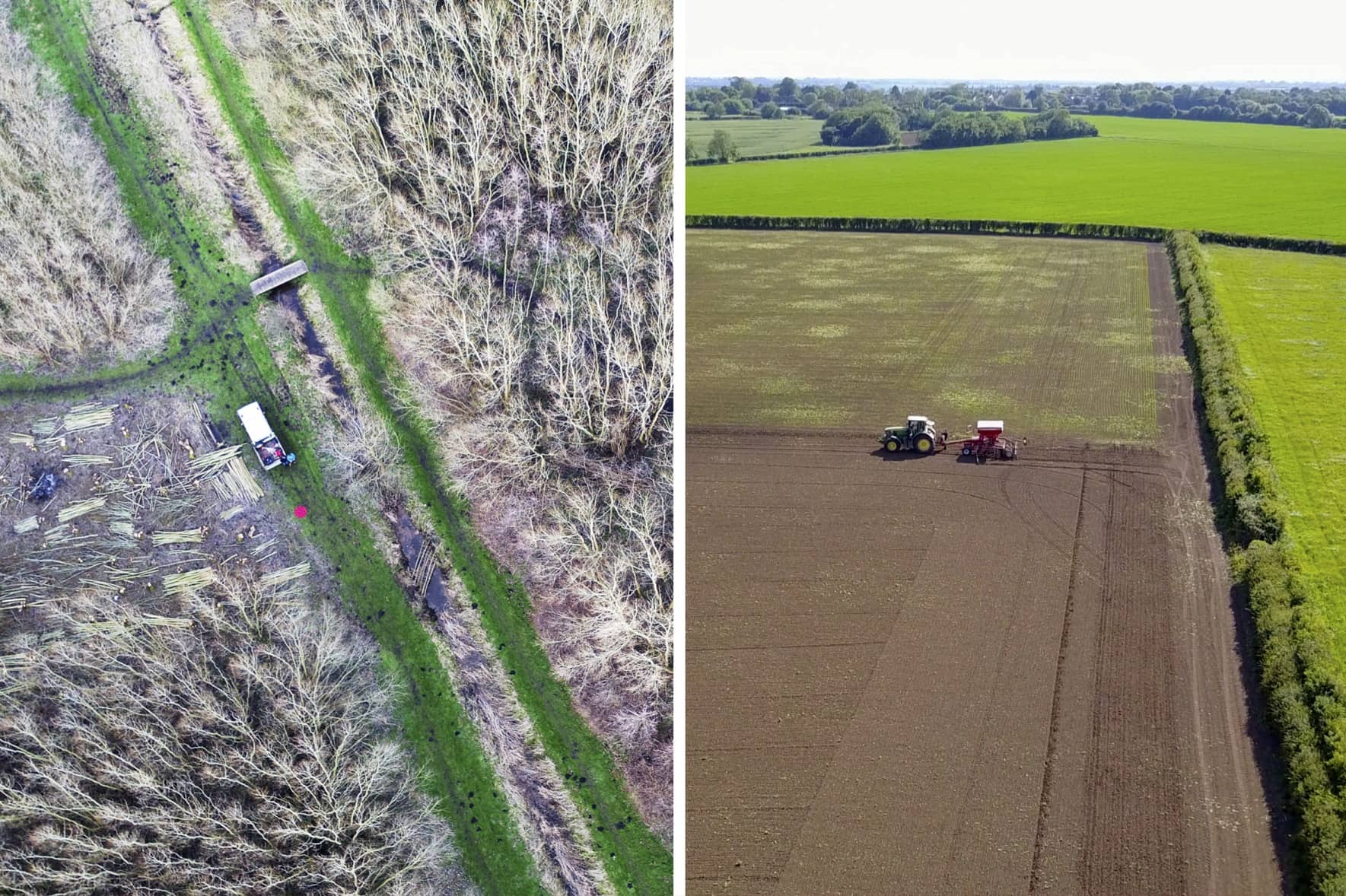
The arguments for building with biogenic materials are explained and compelling. But does the will exist?
At the 2026 Sustainable Buildings and Construction Summit Michael H. Ramage (Manchester School of Architecture, Centre for Natural Material Innovation, Manchester Metropolitan University) explained how new construction can substantially reduce its carbon footprint by using biogenic materials. These materials lock in carbon during their growth and store it in use as building materials. This provides a significant reduction in CO2 emissions. The premises surrounding an inadequate supply of timber are shown to be false.
More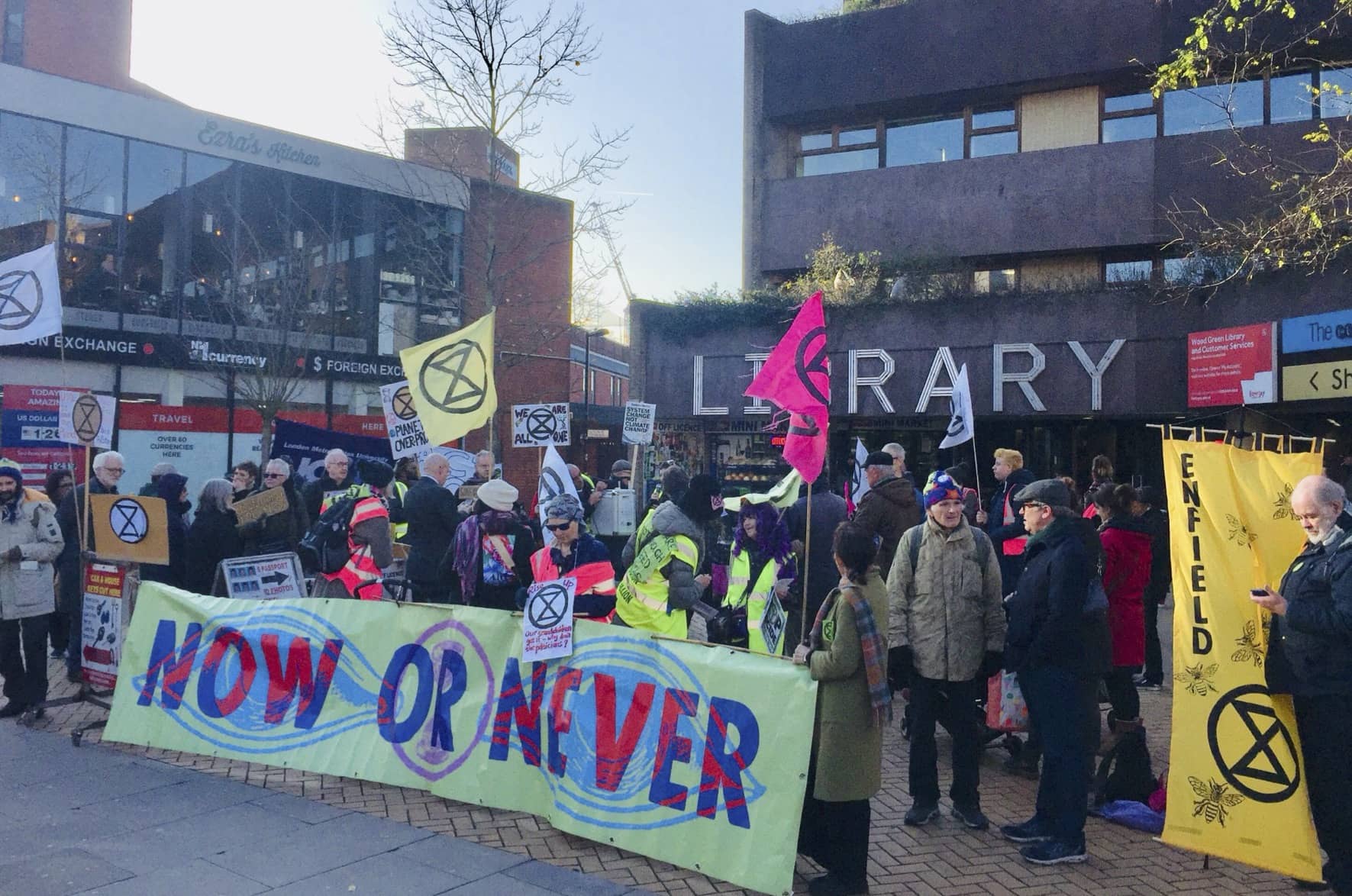
Local authorities could identify climate risks, develop a strategic response and coordinate disparate actors.
How can local authorities better anticipate and reduce chronic climate risks in the built environment? With 20 years' experience working in local authorities tackling climate change, Joe Baker considers the challenges facing local authorities to identify and manage climate risks, and asks: How do we get the leadership, skills, capacity and meaningful action needed?
More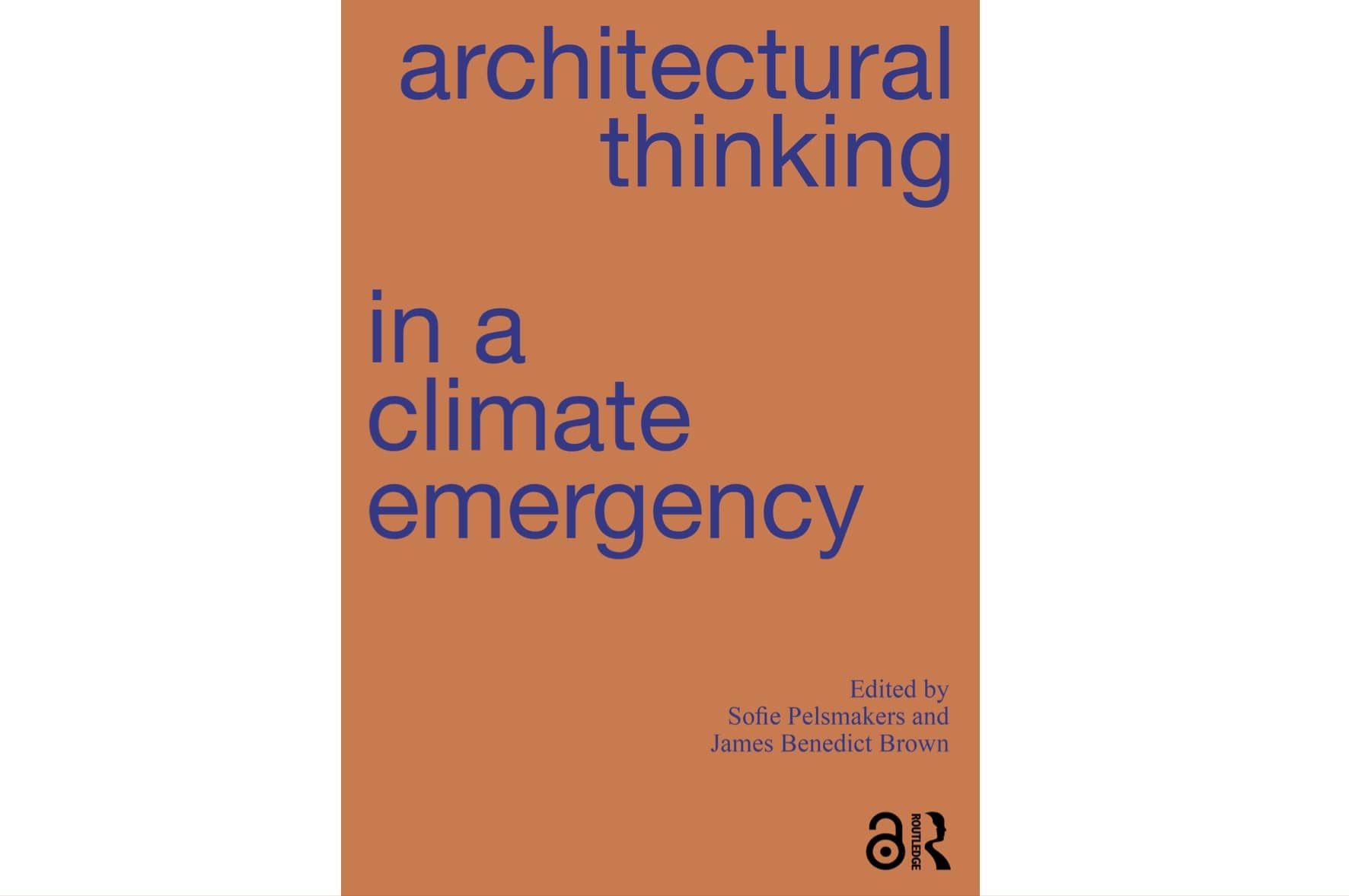
Edited by Sofie Pelsmakers and James Benedict Brown. Routledge, 2025, ISBN: 9781032277486
Carolina Vasilikou commends this book, which positions educational reform as the precondition for genuinely addressing the climate crisis, envisioning a future in which architecture excellence is judged by how well it supports repair, redistribution, collaboration and long-term ecological care.
More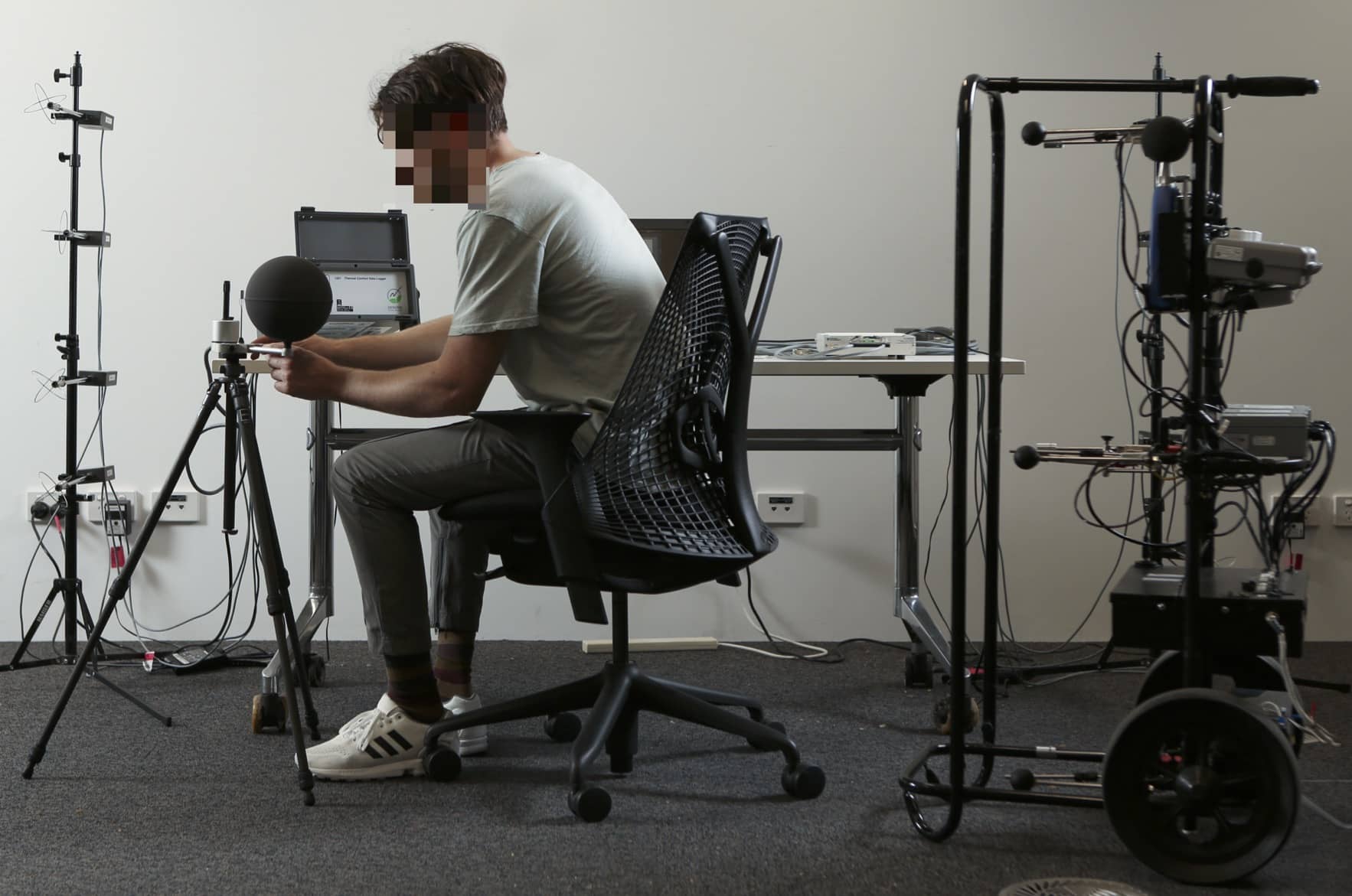
RESEARCH PATHWAY: personal reflections on a career in research
Richard de Dear (University of Sydney and Tsinghua University) explains the key moments in his research career that challenged existing notions of thermal comfort and helped to develop the evidence base for an alternative approach “adaptive comfort” which led to its wider acceptance in policy and practice.
More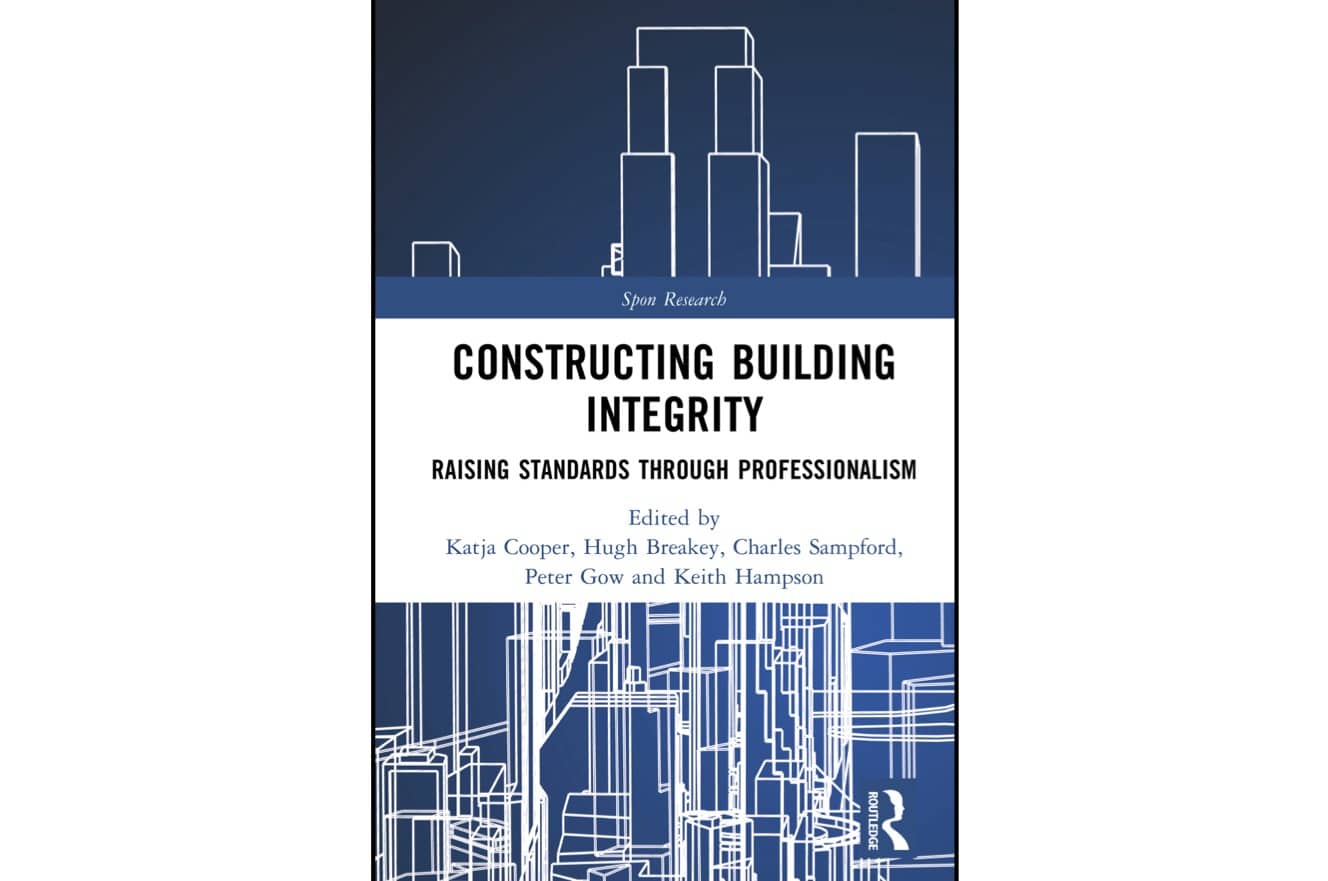
Edited by Katja Cooper, Hugh Breakey, Charles Stamford, Peter Gow & Keith Hampson. Routledge, 2026, ISBN: 9781041043720
Is professionalism in crisis? Are the standards and rules fit for purpose? This book on professionalism in Australia highlights shortcomings and argues for radical changes in the oversight and fulfilment of professional practice. Simon Foxell reviews this book and places these concerns in a wider context.
More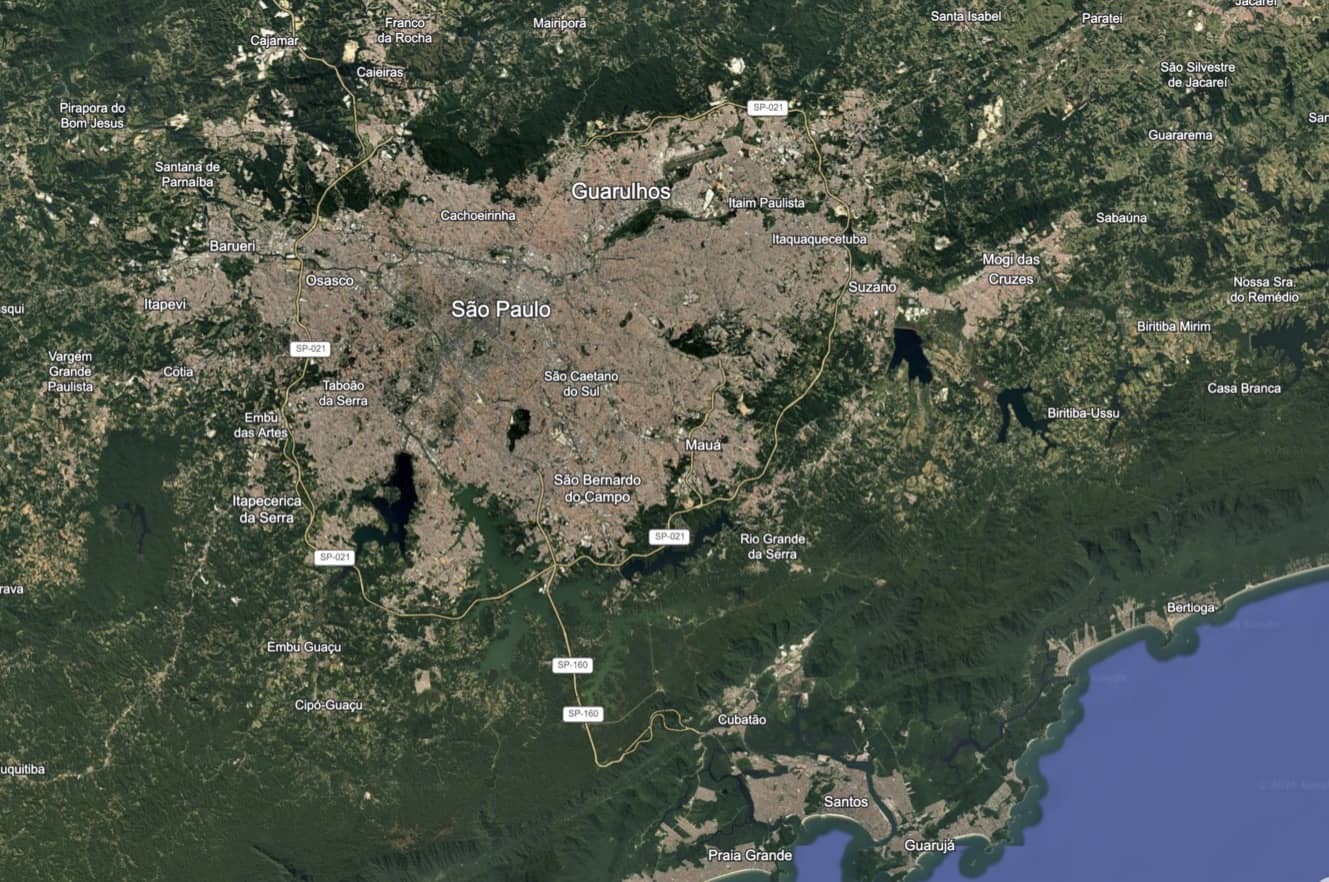
Urban development policy in the Global South is increasingly a question of governing spatial change before it becomes locked in
At the 2026 Sustainable Buildings and Construction Summit Magnus Andersson, David Muthui & Reza Roodaki (Malmö University) argued that remote sensing should be a core evidence infrastructure for sustainable urban governance. Satellite derived and geospatial analysis can observe and monitor urban expansion, densification, land consumption, building form and material demand across jurisdictions and over time. A shift from two-dimensional to three-dimensional sensing and analysis provides new data to inform policies for housing, land-use efficiency, disaster exposure, public space, resource efficiency and resilient construction.
More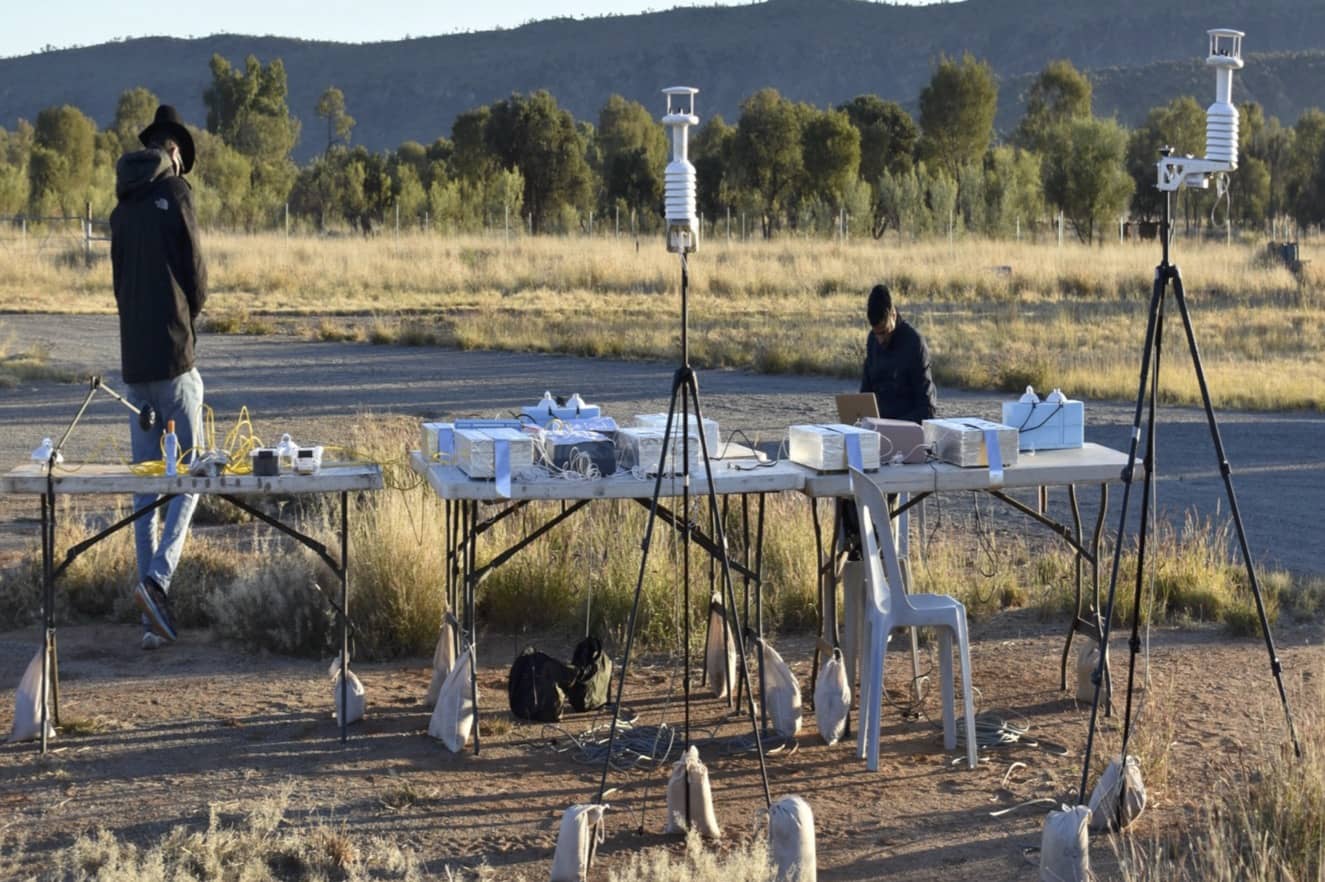
RESEARCH PATHWAY: personal reflections on a career in research
Mat Santamouris (University of New South Wales) reflects on a research journey explaining how an early fascination with solar energy and building physics evolved into research on urban overheating, cool materials, and city-scale heat mitigation. The social imperative for research to address now is: Who is most exposed to extreme heat, and what can science do to protect them?
More
Pressures on fragile post-disaster supply chains mean practice-based knowledge should be harnessed
Regan Potangaroa (Auckland University of Technology - AUT), Kelvin Zuo (Massey University), Suzanne Wilkinson (AUT) explain why experience-led knowledge from the field, when triangulated with contemporaneous documentation, can constitute evidence for understanding post-disaster reconstruction systems. People working within reconstruction environments (engineers, builders, logisticians and community actors) provide crucial observations about how reconstruction systems function in practice, particularly supply chains, material flows, procurement and governance in post-disaster rebuilding. Integrating this knowledge can lead to better outcomes.
More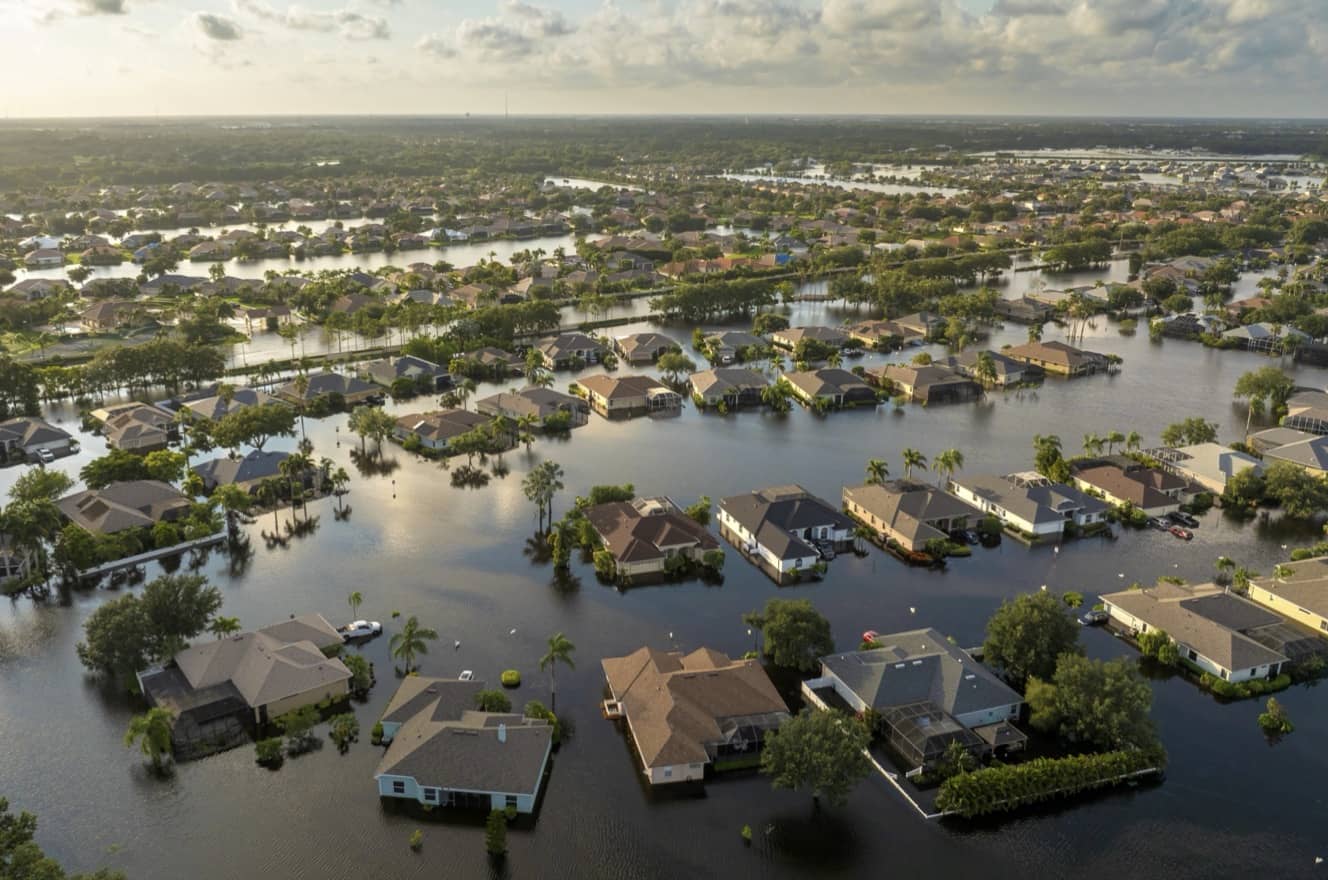
Why strong institutional and community capacities need to be developed BEFORE a disaster
Kristen MacAskill (University of Cambridge) and Lianne Dalziel (University of Canterbury) explain capabilities (and the associated capacity) are essential for preparedness. Capacity for both physical infrastructure and organisational / institutional response are necessary. This commentary focuses primarily on institutional capacity for disaster risk management, and the positive (if slow) developments in the value that is being placed on preparedness.
More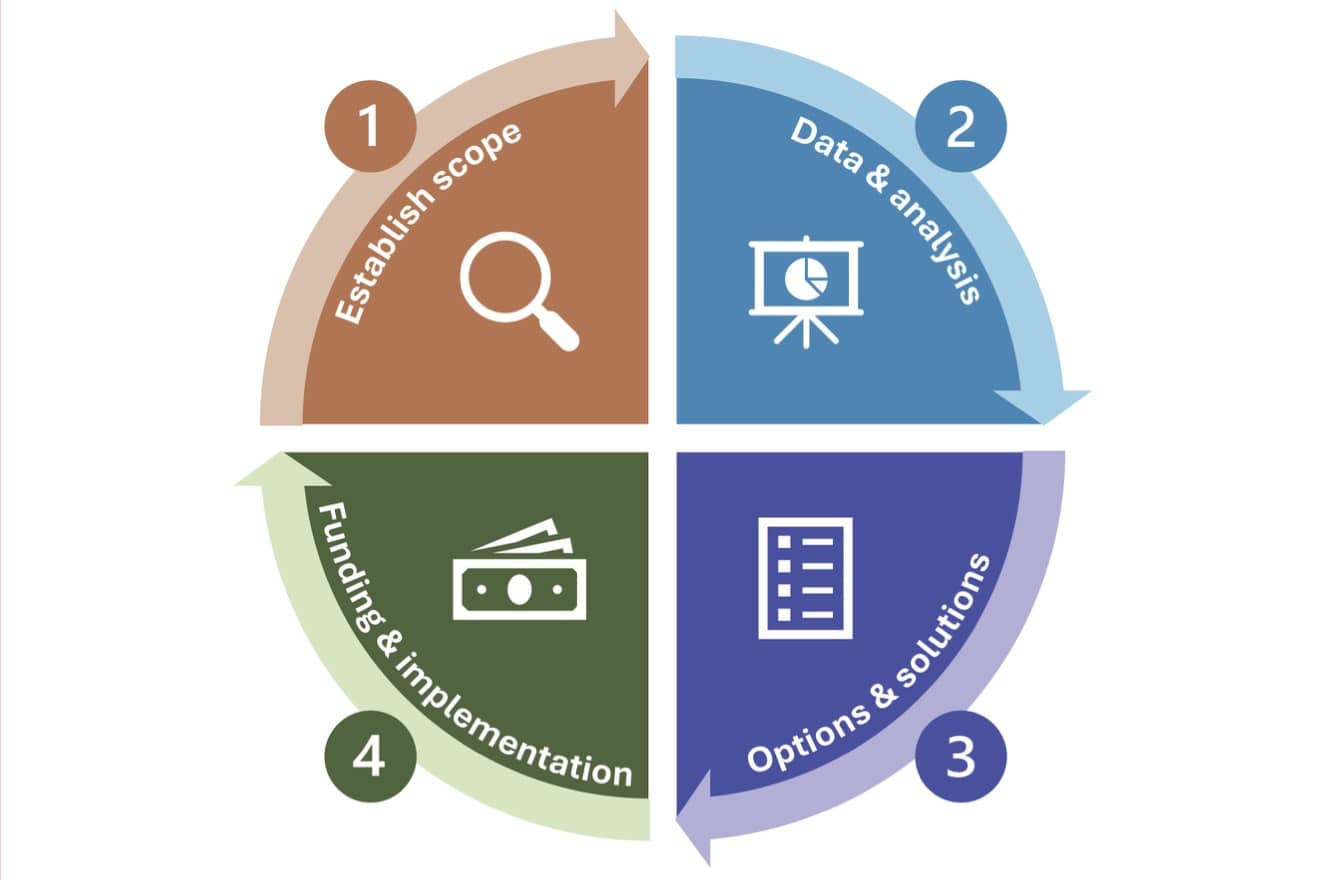
The case is clear for climate adaptation. What frameworks and actions are needed to address climate-related risks?
As the climate is changing, urban areas around the world face multiple risks of both acute and chronic climate hazards. Sarah Greenham & Emma Ferranti (University of Birmingham) consider the impacts on urban infrastructure of these different risks and what kinds of actions are needed to address them.
More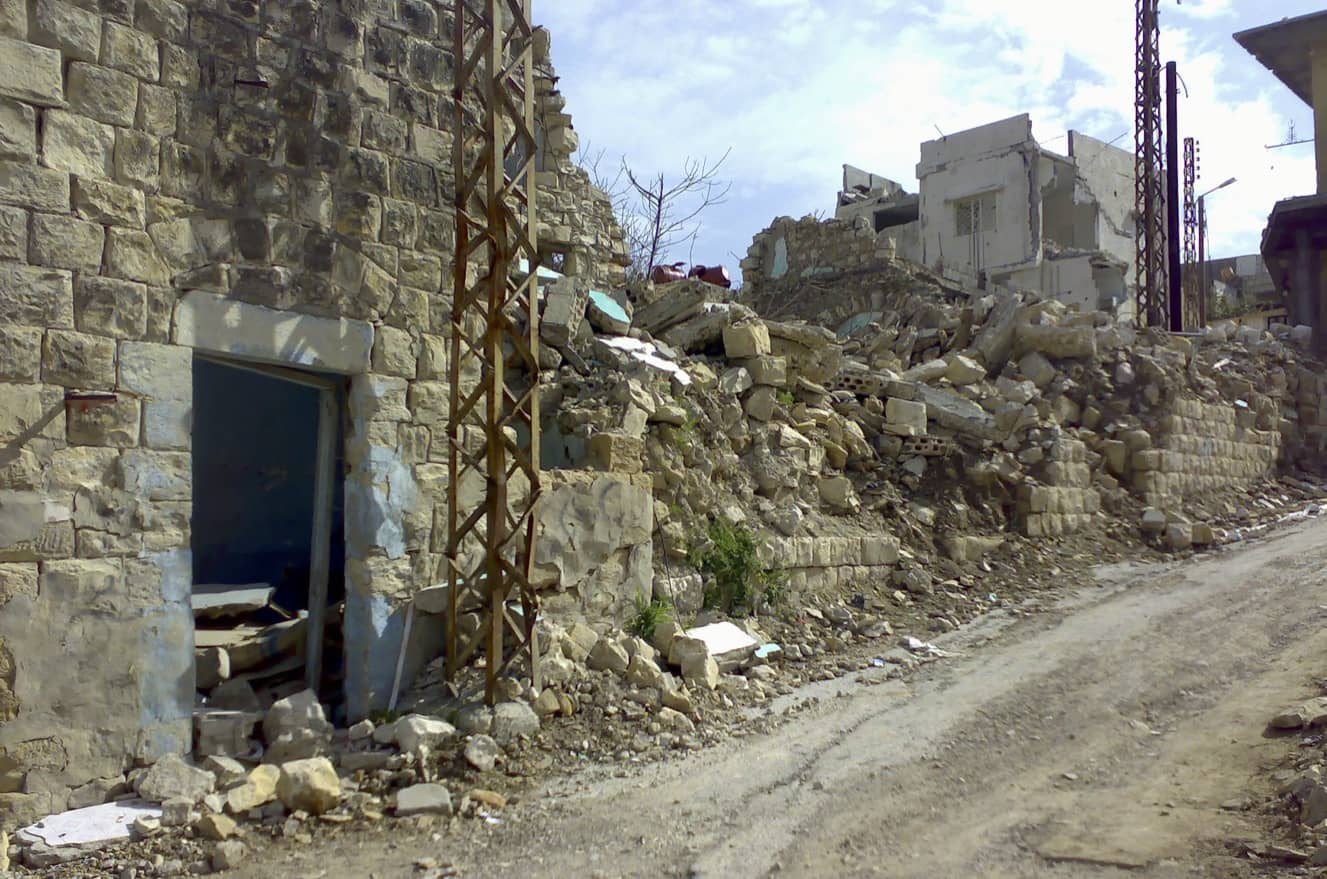
What lessons can be learned from the repeated cycles of destruction and reconstruction?
Lebanon’s history has been shaped by recurrent cycles of war, disaster, and economic collapse, with each episode leaving enduring imprints on the country’s urban and social fabric. Howayda al-Harithy (American University of Beirut) critically examines Lebanon’s historical cycles of destruction and reconstruction. Recovery involves more than rebuilding buildings; it requires a framework that is people-centered, heritage-led and place-specific together with an emphasis on restoring social relations, cultural identity, community agency while addressing structural inequalities.
More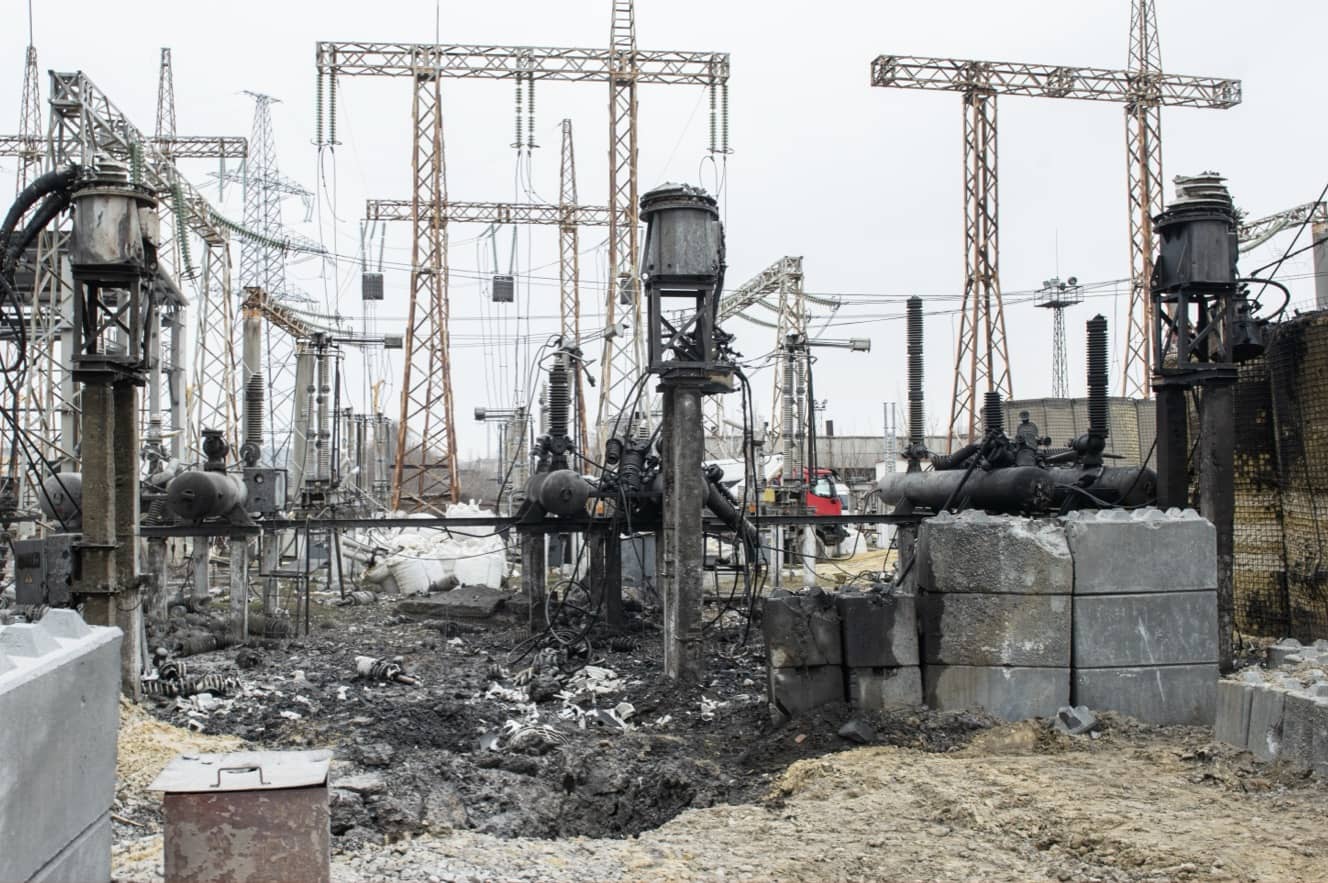
Why reconstructing energy infrastructure is a central challenge in post-conflict environments
Marco Nicola Binetti (University of Bremen) argues that energy reconstruction should be understood as a core pillar of post-conflict recovery rather than a narrowly technical undertaking. Restoring electricity and fuel supplies enables essential services, supports economic growth, strengthens state legitimacy, and reduces the likelihood of renewed violence. However, successful reconstruction requires overcoming substantial financial, logistical, institutional, and political obstacles. Reconstruction strategies must also adapt to emerging threats and vulnerabilities created by modern warfare.
More
Key takeaways for policy and practice
Carolien van der Voorden (EPFL) reports on the 2026 Sustainable Buildings and Construction Summit. This international event focused on practical implementation of the 2024 Déclaration de Chaillot and the Belem Call to Action. It will feed into the Intergovernmental Council on Buildings and Construction (ICBC) and the preparatory processes for COP 31 and 32.
More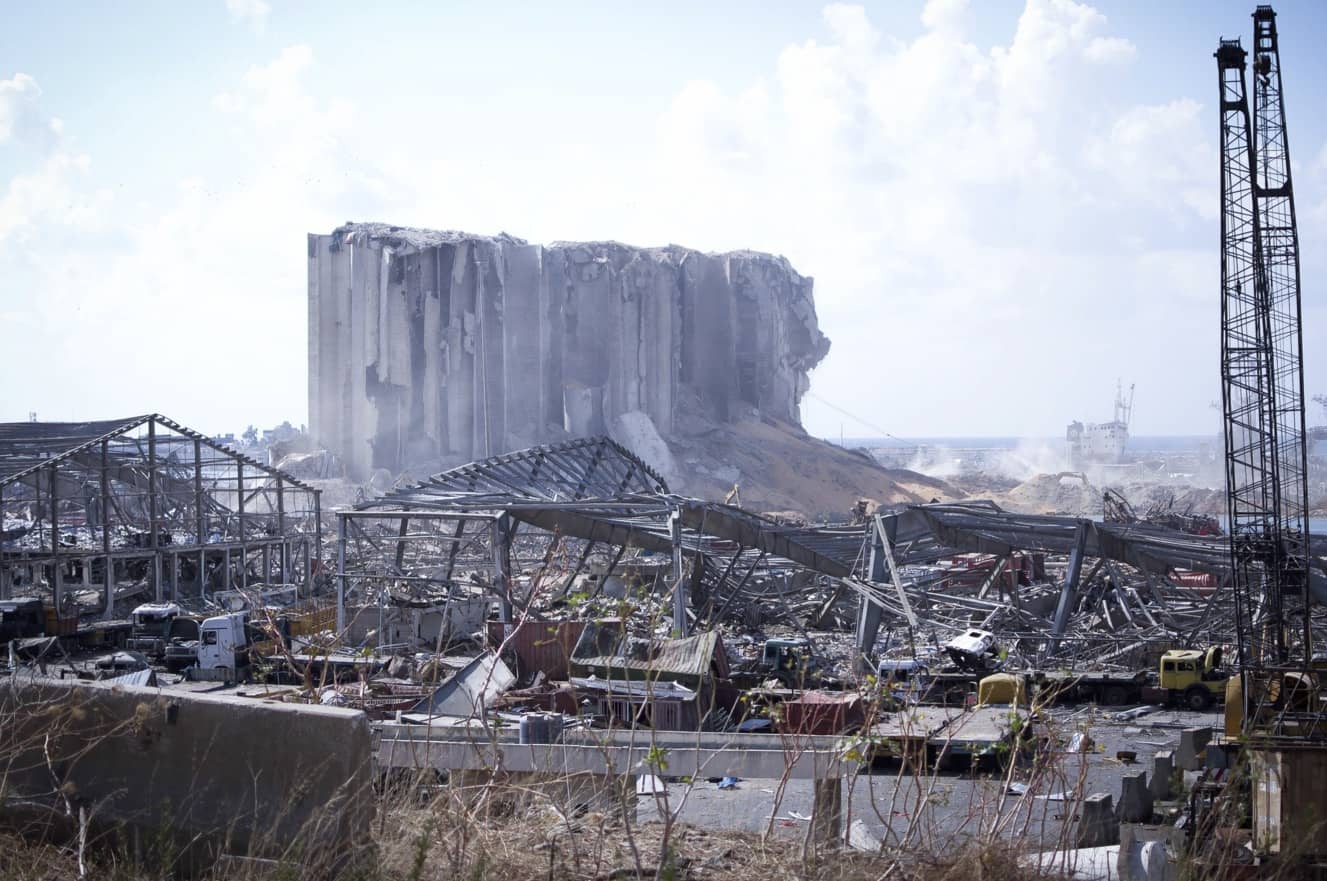
Why do response efforts remain fragmented even when multiple actors mobilise simultaneously?
Tania N. Haddad and Tracy Sakr explain why effective disaster response in fragile institutional environments depends not only on resources but also on governance capacity, coordination mechanisms and institutional trust. The 2020 Beirut Port explosion shows that fragmented governance authority, non-binding coordination arrangements and low public trust resulted in duplicated efforts, uneven aid distribution and limited strategic recovery planning. Institutional reforms can strengthen state capacity, formalise coordination mechanisms between government and civil society, and rebuild trust through transparency and accountability.
More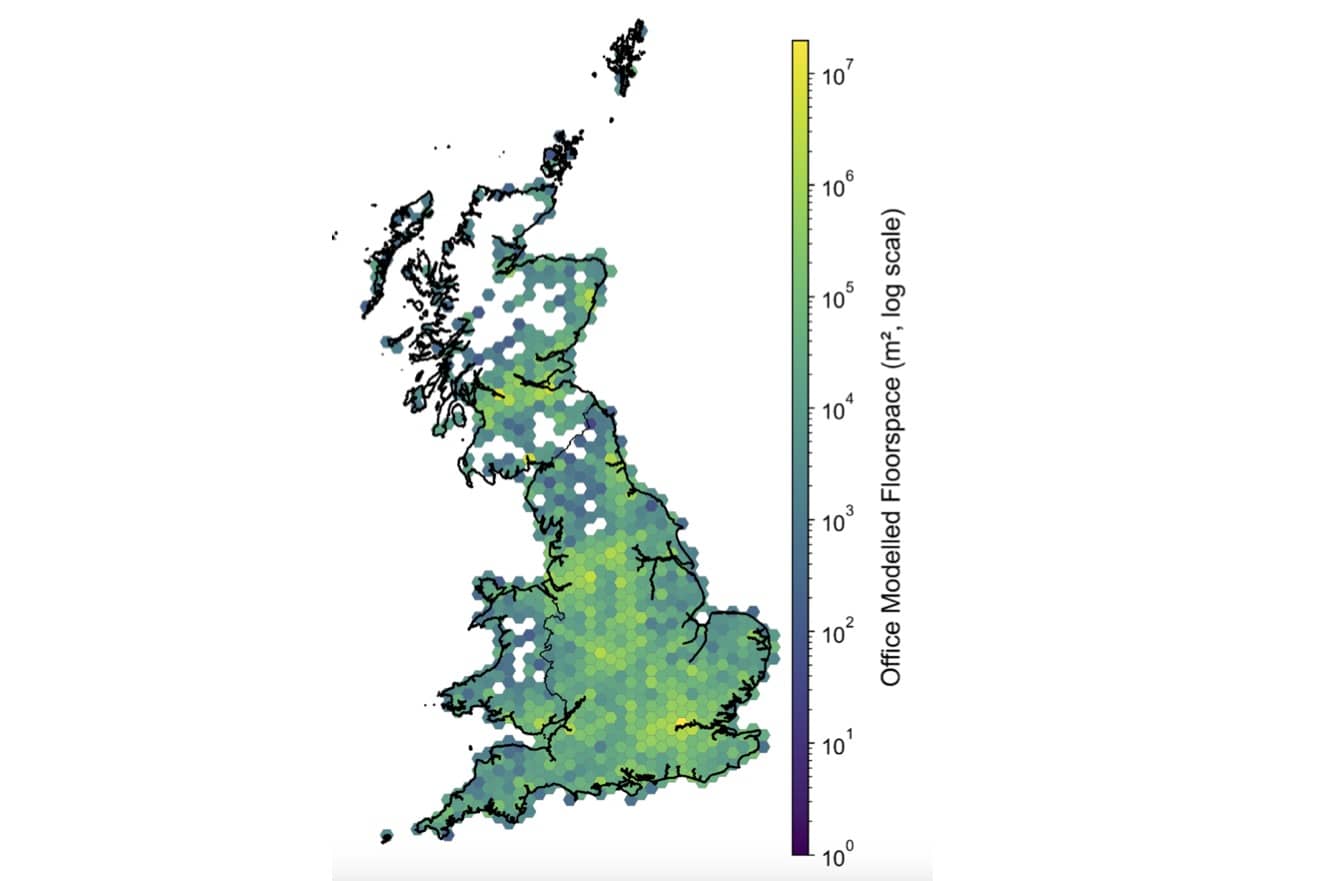
This is a step-change in the evidence available for analysis of energy demand, decarbonisation and retrofit across the building stock.
The UK Department of Energy Security and Net Zero (DESNZ) has announced the completion of the National Buildings Database, developed for the Department by the UCL Energy Institute. This new database covers all buildings in England, Wales and Scotland, both domestic (houses and flats) and non-domestic (offices, shops, factories, warehouses etc), plus mixtures of the two (e.g. flats over shops).
More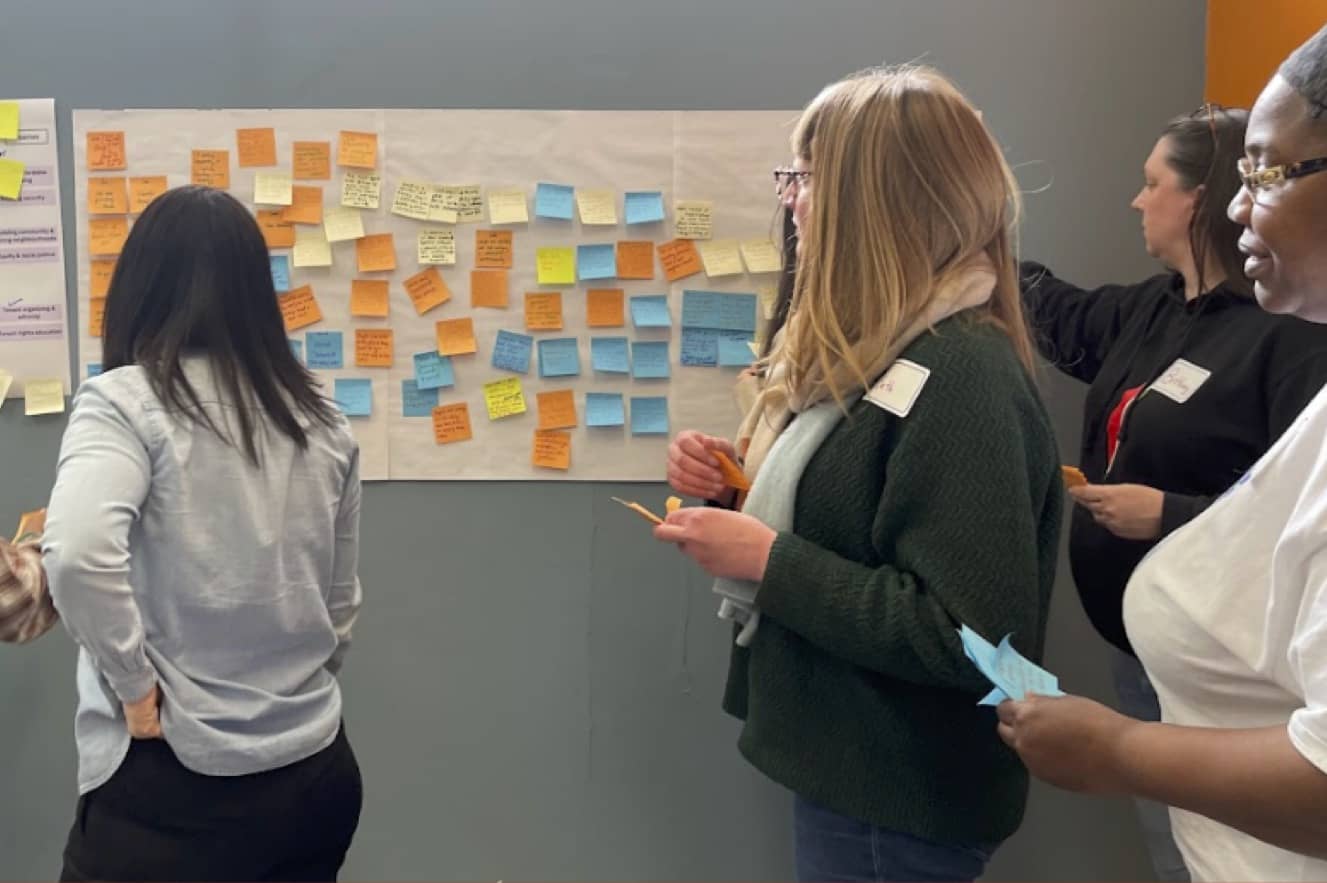
How can cities achieve higher levels of public support for, and behavioural engagement in, climate mitigation and adaptation?
Climate change poses a plethora of challenges for decision- and policy-making on multiple scales. Adopting a risk perspective can identify multiple kinds of risk that must be addressed if climate action is to be successful. John Robinson and Emily Smit (University of Toronto), Pamela Robinson (Toronto Metropolitan University) and Anne Gloger (Catalysts’ Circle) consider the decision-making risks having to do with whether climate mitigation and adaptation policies and programs are likely to achieve their goals.
More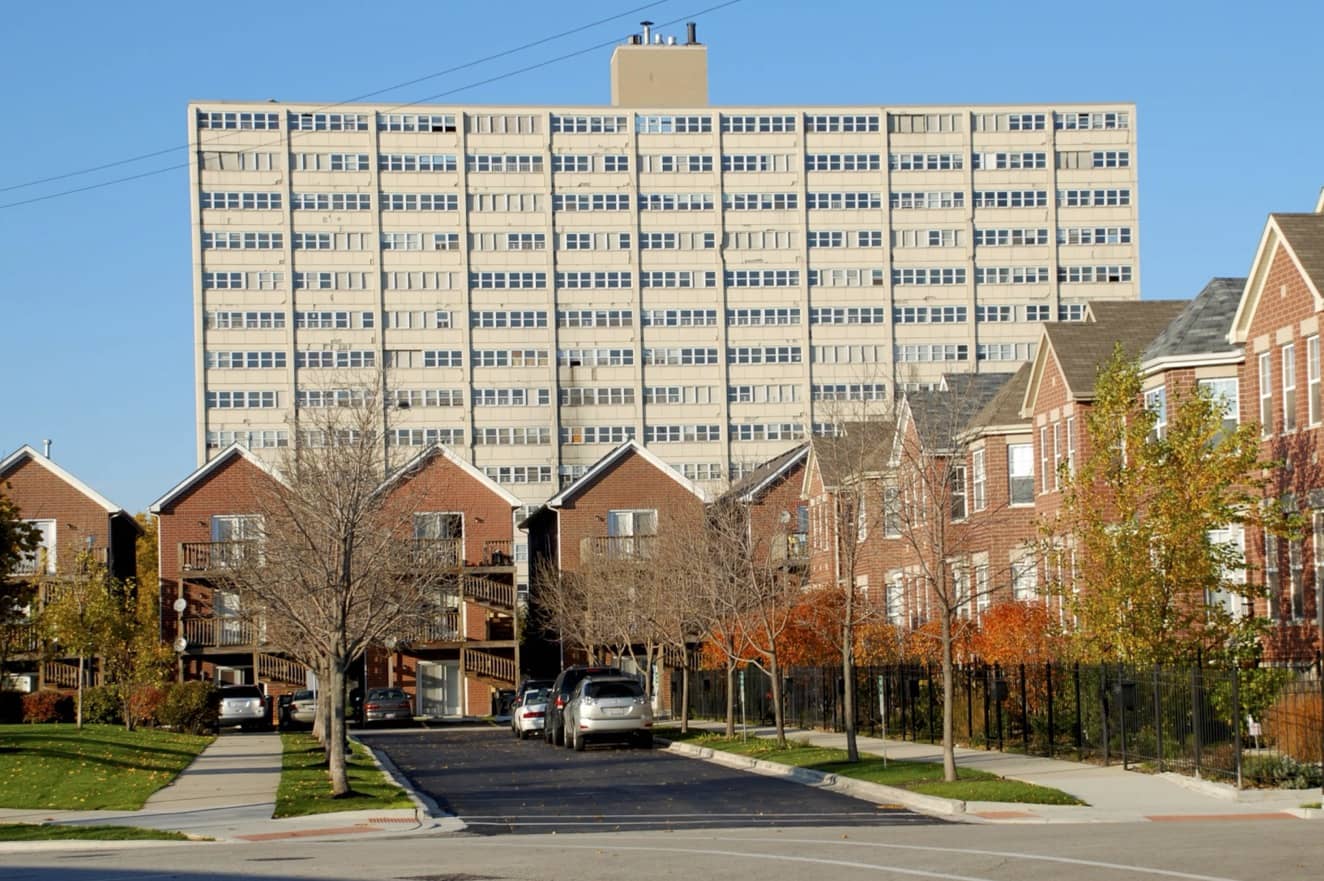
RESEARCH PATHWAY: personal reflections on a career in research
Lawrence J. Vale (Massachusetts Institute of Technology) explains how his research thinking has evolved over time to consider how politics and design interact at different scales ranging from architectural design to urban design. These ideas have coalesced into new insights that design and politics are co-constitutive and also have significance for designers, planners and the public. A critical question for interrogating any proposal is: who benefits and who loses from development?
More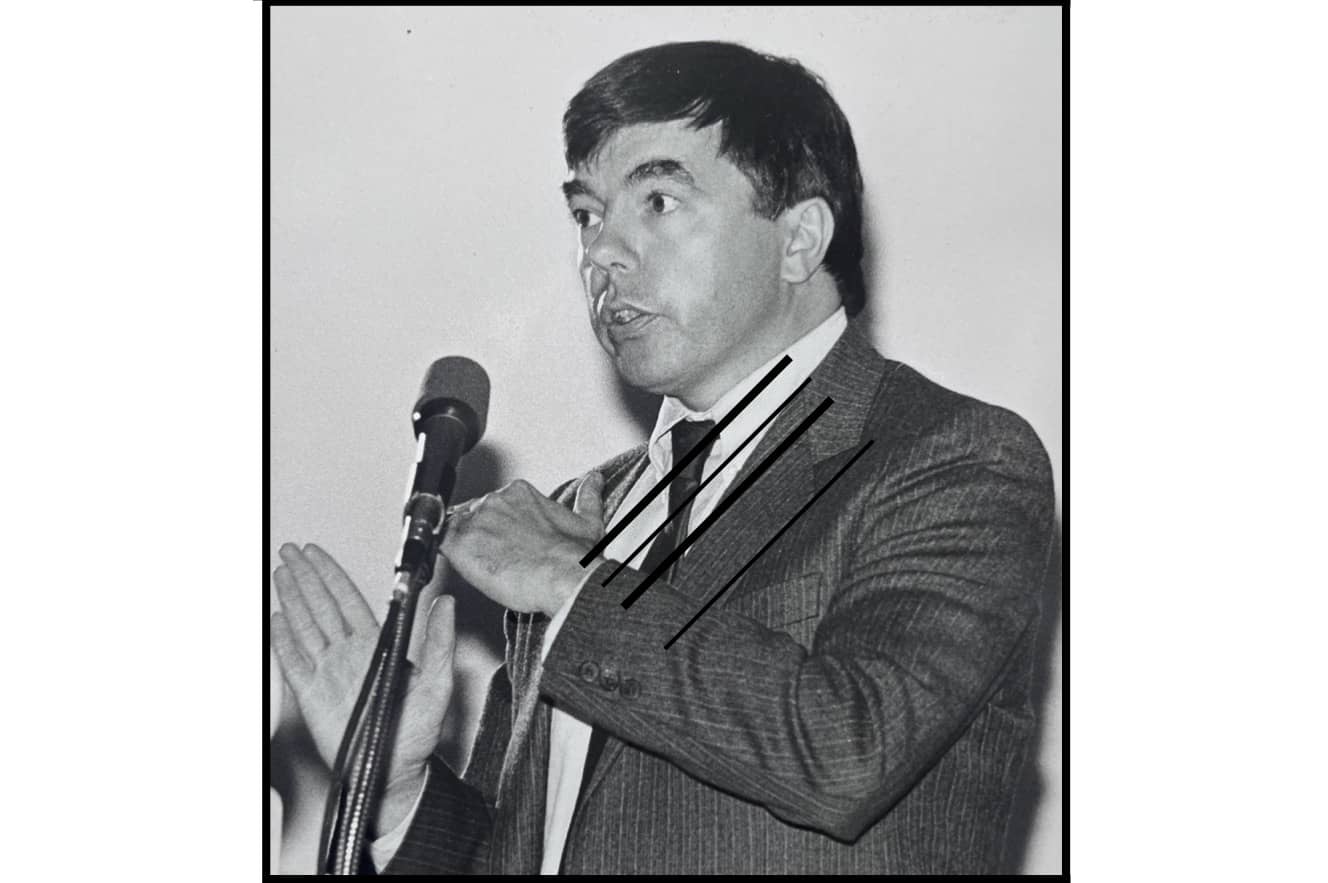
Rob Harris (Ramidus Consulting) reflects on Frank Duffy’s achievements and relevance to the wider research and practice communities.
Dr Francis (Frank) Cuthbert Duffy CBE passed away on 21st February, aged 85, following a long illness. Frank’s extraordinary career had a far-reaching, permanent impact internationally, both on architecture and design, and the wider real estate industry.
More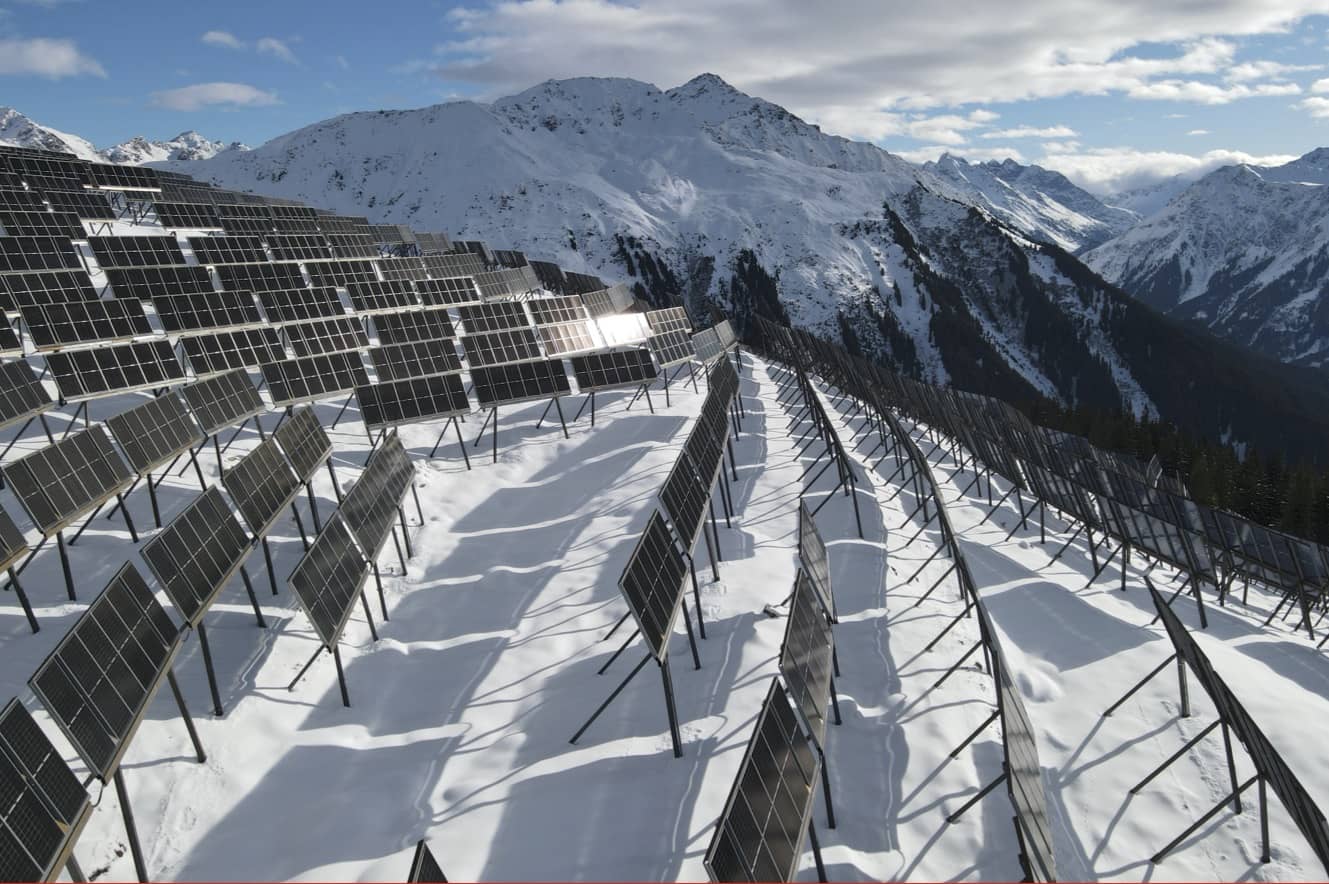
Emerging insights into the specific environmental footprints of PV systems.
The latest LCA Forum considered key issues in research and recent developments in life cycle assessment and carbon footprinting of electricity generation with various photovoltaic technologies and systems.
MoreLatest Peer-Reviewed Journal Content

Urban form metrics for building occupancy modelling: applications and impacts
D Reiter, M Jehling & R Hecht
Retrofit realism: affordable low-carbon policies for existing homes
N Eyre & R Khosla
Inside offsite: everyday dwelling in factory-built apartments
L Dorignon & R Horne
MMC for housing: sectoral perception on governance challenges
J Morgan, C Goodier, R Schmidt-III & K Ayinla
Reorganising specification practice for component reuse: an exploratory study
S Gao, K Jones, J Xu & J Glass
Kitchen retrofits to support food practices and wellbeing
F J Andrews, A Sal Moslehian, E Warner & R Tucker
From strategy to delivery: a comparative analysis of MMC roadmaps
G Goldman, D Sorokine, F Suerich-Gulick, C Carbone & M Jemtrud
Thermal comfort, ventilation and mosquito-borne disease risk in Zanzibar hospitals
O Sloan Wood, J B Knudsen, K L Schiøler, E Lupenza, M Msellem & F Saleh
Reusing precast concrete elements in construction: assessing the economic conditions
O Vigren, H Westerlind & T Malmqvist
Institutional readiness for industrialised social housing in Vietnam
T Q Nguyen, B N Nguyen, T H Q To & Z Aziz
Prefabrication for housing retrofit: governance, innovation and resident experience
E Pikas, K Kuusk, P Pihelo, R Liias, J Pukk & T Kalamees
Reframing heat pump transitions: a care perspective
J van der Haer, R Schelwald & F de Haan
Urban informal settlements in Africa: transforming adaptation governance
K Buyana & H Sseviiri
Reusing concrete products in indoor environments: chemical hazard assessment
K Tähtinen, A Helin, E Parshintsev & H Hovi
Negotiating net-zero carbon: an ANT analysis of two buildings
L Schweber & M Green
Design for disassembly: a review of public policy proposals
O Vorobjev, U Uotila, T Joensuu & A Saari
Retrofitting Norwegian residential buildings: an archetype-based dynamic stock model
L S A Rousseau, S Amini, S Akin & E G Hertwich
Decolonising time: vernacular villages and the politics of heritage temporality
R Al-Rabady
Commutes to alternative workplaces: GHG emissions and physical activity
J Taylor, L Thoen, A Espinosa Mireles De Villafranca, P Anashin, J Vanhatalo, D Milián
Bernal & I Okkonen
Nine ‘myths’ about the building stock of Great Britain
S Evans, P Steadman, A Neto-Bradley, D Humphrey, R Liddiard,H Shamsi, J Palmer & G Simons
Join Our Community

The most important part of any journal is our people – readers, authors, reviewers, editorial board members and editors. You are cordially invited to join our community by joining our mailing list. We send out occasional emails about the journal – calls for papers, special issues, events and more.
We will not share your email with third parties. Read more
Latest Commentaries
Freedom from Stress is Symptomatic of Death
Marcel Schweiker (RWTH Aachen University) and Richard de Dear (University of Sydney) discuss the neutrality fallacy and resilience. They explain why indoor environments do not need to be stress free in order to support their occupants’ resilience.
Reducing CO2 Emissions: Building with Biogenic Materials
At the 2026 Sustainable Buildings and Construction Summit Michael H. Ramage (Manchester School of Architecture, Centre for Natural Material Innovation, Manchester Metropolitan University) explained how new construction can substantially reduce its carbon footprint by using biogenic materials. These materials lock in carbon during their growth and store it in use as building materials. This provides a significant reduction in CO2 emissions. The premises surrounding an inadequate supply of timber are shown to be false.