
www.buildingsandcities.org/insights/research-pathways/keeping-cool-building-physics.html
Keeping Cool: From Building Physics to Climate Resilience
RESEARCH PATHWAY: personal reflections on a career in research
Mat Santamouris (University of New South Wales) reflects on a research journey explaining how an early fascination with solar energy and building physics evolved into research on urban overheating, cool materials, and city-scale heat mitigation. The social imperative for research to address now is: Who is most exposed to extreme heat, and what can science do to protect them?
My research career evolved in close alignment with changing societal agendas to address energy scarcity, climate change, and thermal discomfort in buildings and cities. What began as an inquiry rooted in the physics of buildings and passive cooling strategies progressively expanded in scale, first to encompass urban microclimates and urban overheating, and later to the development of innovative materials and large-scale heat mitigation strategies aimed at protecting cities from extreme heat.
Throughout this trajectory, a consistent objective has been to translate scientific understanding into solutions that enhance thermal comfort, reduce energy demand, and promote environmental and social equity. At the same time, this process has not been without constraints: significant barriers frequently emerged in translating research into practice, including limited engagement frameworks with policymakers, institutional inertia, regulatory constraints, and the challenge of communicating complex scientific concepts to non-specialist audiences.
My academic pathway was shaped by my background in physics. I was drawn to energy, which by the late 1970s had become a critical global economic and social challenge, accompanied by rapid scientific and technological advances. At that time, early but pioneering efforts in solar energy were beginning to emerge. Although I explored nuclear research, I was ultimately more inspired by solar energy and chose to follow this intuition, undertaking doctoral research on the modeling of solar radiation propagation in the atmosphere.
As my research progressed, it led me to a broader and more fundamental question: what is the relationship between physics, architecture, and the science of the built environment? This question emerged as a key milestone in my scientific development, marking a decisive transition from a purely physics-based perspective toward an interdisciplinary approach. The answer revealed a profound and compelling connection, demonstrating how physical principles can directly inform architectural design and the performance of the built environment, and ultimately shaping my subsequent research direction.
The thermal, visual, environmental, and energy‑related phenomena governing buildings are fundamentally physical in nature. Understanding them requires analytical rigor beyond empiricism, alongside synthetic thinking—the ability to transform analytical insight into integrated solutions. This realization positioned building science as a domain where physics could directly and meaningfully improve everyday living conditions.
This perspective was further reinforced during the early stages of my career, when pioneering architects invited me to contribute to innovative, energy-conscious building designs. This experience constituted a significant milestone, marking the practical extension of my interdisciplinary transition, as it moved beyond theoretical exploration into direct application. Rather than conventional consultancy, this engagement evolved into a collaborative process of co-creation and knowledge transfer, integrating physical principles into architectural design and shaping my subsequent research trajectory.
It soon became evident that summer performance—and particularly overheating and rapidly escalating cooling demands—represented the most critical and unresolved challenge. The uncritical transfer of architectural models from northern to southern Europe, coupled with the abandonment of traditional climate‑responsive design techniques and increasing urbanization, created severe energy and environmental stress during summer.
In this context, the rapid uptake of air conditioning appeared almost inevitable. Promoting alternatives (such as passive cooling) was not without challenges: institutional resistance to non-conventional approaches, limited funding opportunities, and the difficulty of convincing practitioners to adopt physics-based design principles often slowed progress. Against this background, a large European collaborative initiative was conceived to investigate passive strategies based on natural ventilation, thermal mass utilization, solar control, heat dissipation, and envelope optimization, with particular emphasis on Mediterranean and hot climates. This effort culminated in PASCOOL, the most pioneering European research programme on passive cooling at the time (Santamouris & Argiriou 1997). The programme established quantitative performance metrics for passive systems and clarified the critical interactions between climate, geometry, and material properties. Beyond its scientific contributions, PASCOOL had a tangible influence on both technology and practice: it informed the development of new design guidelines, supported the integration of passive cooling strategies into architectural practice, and contributed to the gradual uptake of climate-responsive design approaches across Europe.
I had the privilege of serving as scientific coordinator of this ambitious project, an experience that profoundly shaped my research philosophy and emphasized the importance of collaboration, integration, and real-world relevance.
However, progress at the building level was soon challenged by a new and larger-scale reality. Rapid urbanization, extensive surface sealing, and irrational urban design, combined with growing anthropogenic heat emissions, fundamentally altered urban climates. These effects were further amplified by extreme climatic events associated with global climate change. Urban climate emerged as a dominant governing parameter of building energy performance, constraining the effectiveness of passive cooling and dramatically increasing cooling demand during heatwaves. Urban overheating degraded outdoor comfort, intensified health risks, elevated peak electricity loads, and created intolerable living conditions, particularly for vulnerable populations. For me, this realization marked both a natural evolution and a significant conceptual shift: it expanded the scope of inquiry to a far more complex and interconnected system, opening a new and challenging research frontier.
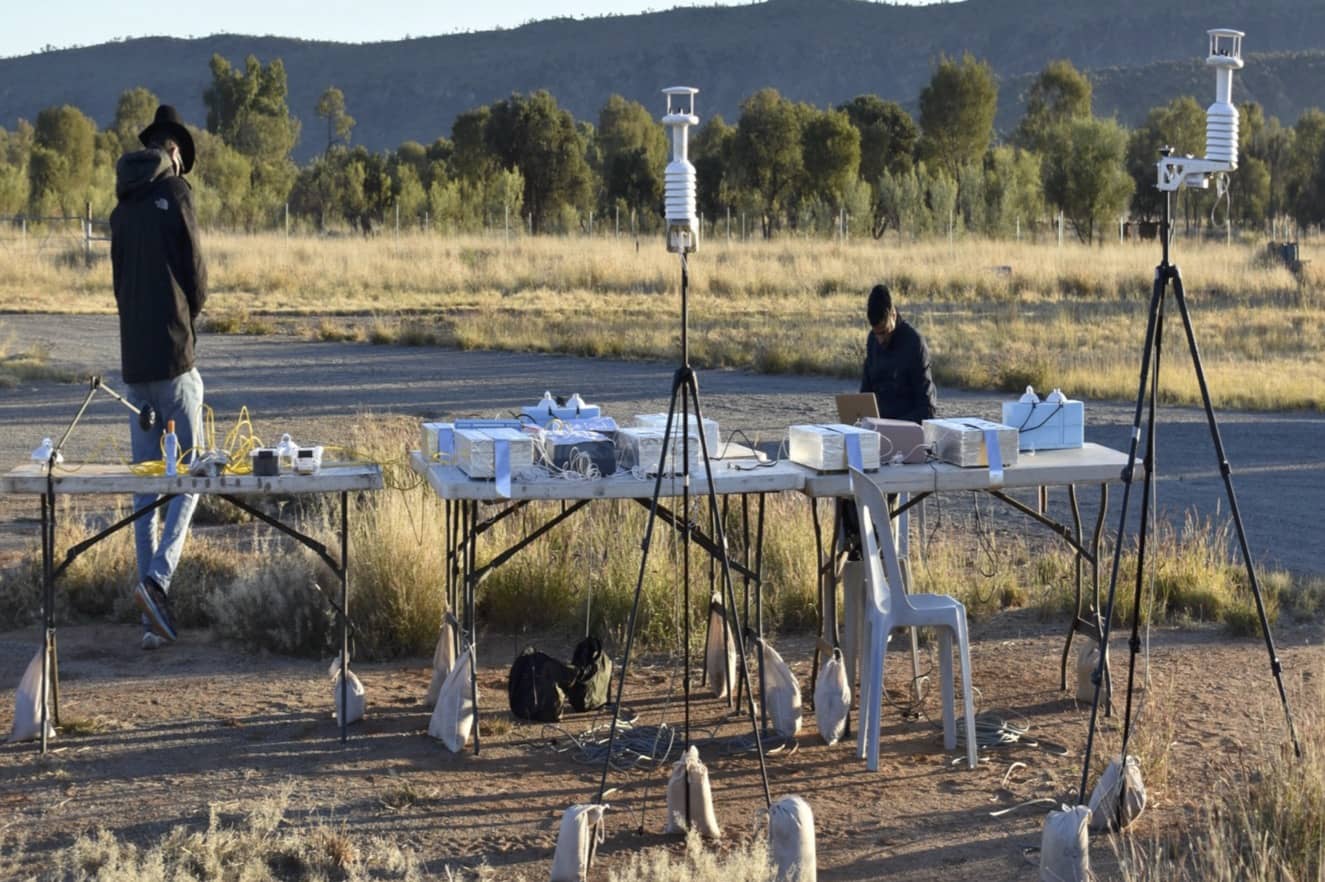
Understanding complex urban climatic processes and developing effective mitigation and adaptation strategies became the central focus of my work and that of my collaborators. Our research contributed to the quantitative characterization of urban overheating across diverse climates, urban morphologies, and socio‑economic contexts through extensive field measurements and advanced numerical modelling.
Within this framework, we investigated key drivers of urban overheating, including urban geometry, surface material properties, vegetation deficits, evapotranspiration limitations, anthropogenic heat emissions, and altered energy balances. Special emphasis was placed on human heat exposure and its implications for public health, energy demand, and environmental quality (Santamouris et al. 2001).
A core principle that emerged from this work was that scientific diagnosis acquires real value only when translated into applicable solutions. Recognizing the dominant role of urban surfaces in heat accumulation, my research progressively focused on the development and evaluation of cool materials—engineered surfaces capable of reflecting solar radiation and dissipating absorbed heat (Feng et al. 2020; Synnefa et al. 2006).
At the same time, it became clear that no single intervention could address urban overheating alone. Synergies between reflective surfaces and greenery enhanced cooling through evapotranspiration and shading, while trade‑offs such as winter energy penalties and glare were rigorously evaluated. This integrated perspective reinforced the need to embed heat mitigation within holistic urban planning frameworks that integrate architecture, landscape design, energy systems, and public health.
A defining feature of my research pathway has been the consistent translation of scientific knowledge into medium- and large-scale real-world applications. Over the past two decades, I have been involved in major heat mitigation projects across Europe, Asia, Australia, and the Middle East (Haddad et al. 2020). However, the implementation of such projects was often accompanied by significant challenges, including technical uncertainties at scale, financial and regulatory constraints, and the need to align diverse stakeholders with differing priorities. These difficulties were progressively overcome through iterative validation, close collaboration with local authorities and industry partners, and the development of robust, evidence-based design guidelines, which facilitated wider acceptance and replication.
A significant milestone was the first large‑scale urban heat‑mitigation project implemented in Athens nearly two decades ago, where peak temperatures were reduced by up to 2°C in the Faliro–Flisvos area (Santamouris et al. 2012). This was followed by dozens of projects, culminating in the world’s largest urban heat‑mitigation initiative in Riyadh, Saudi Arabia, where peak urban air temperatures were reduced by up to 4.5°C at city scale (Haddad et al. 2024).
A decisive and integrative phase of this research pathway began with my move to UNSW Sydney in 2016. This transition represented both a professional opportunity and a personal challenge, requiring the re-establishment of my research programme within a new academic, cultural, and climatic context. The experience proved highly enriching: the distinct environmental conditions of Australia and the regional exposure to extreme heat and climate variability broadened my scientific perspective and reinforced the urgency of climate-responsive research. UNSW provided an exceptional environment characterized by strong institutional support, interdisciplinary openness, and a deep commitment to addressing climate-driven challenges.
As extreme heat events intensified, this context enabled and encouraged a strategic broadening of our research toward issues of poverty, vulnerability, and climate justice (Li et al. 2025). This phase of work demonstrated clearly that heat mitigation is not merely an environmental or energy issue, but a life‑saving intervention. These findings strengthened the evidence base for climate‑adaptation policies and reinforced the ethical imperative to protect the most exposed and disadvantaged communities. The challenge of urban overheating is no longer simply a technical issue; it is central to the future of health, equity, and sustainability at a global scale.
This evolution also had a profound influence on my teaching philosophy, reinforcing the imperative to train the next generation to think beyond disciplinary boundaries and address the social dimensions of their work.
This phase of work demonstrated clearly that heat mitigation is not merely an environmental or energy issue, but a life‑saving intervention. These findings strengthened the evidence base for climate‑adaptation policies and reinforced the ethical imperative to protect the most exposed and disadvantaged communities.
For early-career researchers, one key lesson is to prioritize meaningful problems over specific methods, allowing the complexity of real-world challenges to guide the selection and evolution of tools and approaches.
In conclusion, addressing heat in buildings and cities constitutes one of the defining challenges of our time. Through rigorous science, innovative technologies, and real-world implementation, urban environments can be transformed and resilience to climate change substantially enhanced. Reflecting on several decades of work in this field, I have come to appreciate that progress requires not only scientific excellence, but also imagination, persistence, and the courage to rethink established paradigms.
References
Feng, J., Santamouris, M. & Gao, K. (2020). The radiative cooling efficiency of silica sphere embedded polymethylpentene (TPX) systems. Solar Energy Materials and Solar Cells, 215, 110671. https://doi.org/10.1016/j.solmat.2020.110671
Haddad, S., Paolini, R., Ulpiani, G., Synnefa, A., Hatvani-Kovacs, G., Garshasbi, S., Fox, J., Vasilakopoulou, K., Nield, L. & Santamouris, M. (2020). Holistic approach to assess co-benefits of local climate mitigation in a hot humid region of Australia. Scientific Reports, 10(1), 14216. https://doi.org/10.1038/s41598-020-71148-x
Haddad, S., Zhang, W., Paolini, R., Gao, K., Altheeb, M., Al Mogirah, A., Bin Moammar, A., Hong, T., Khan, A., Cartalis, C., Polydoros, A. & Santamouris, M. (2024). Quantifying the energy impact of heat mitigation technologies at the urban scale. Nature Cities, 1(1), 62–72. https://doi.org/10.1038/s44284-023-00005-5
Li, M., Wang, C., Wu, Y., Santamouris, M. & Lu, S. (2025). Assessing spatial inequities of thermal environment and blue-green intervention for vulnerable populations in dense urban areas. Urban Climate, 59, 102328. https://doi.org/10.1016/j.uclim.2025.102328
Santamouris, M. & Argiriou, A. (1997). Passive cooling of buildings-results of the PASCOOL program. International Journal of Solar Energy, 19(1/3), 3–19. https://doi.org/10.1080/01425919708914328
Santamouris, M., Gaitani, N., Spanou, A., Saliari, M., Giannopoulou, K., Vasilakopoulou, K. & Kardomateas, T. (2012). Using cool paving materials to improve microclimate of urban areas – Design realization and results of the flisvos project. Building and Environment, 53, 128–136. https://doi.org/10.1016/j.buildenv.2012.01.022
Santamouris, M., Papanikolaou, N., Livada, I., Koronakis, I., Georgakis, C., Argiriou, A.,& Assimakopoulos, D. N. (2001). On the impact of urban climate on the energy consumption of buildings. Solar Energy, 70, 201–216. https://doi.org/10.1016/S0038-092X(00)00095-5
Stourna Trianti, E., Santamouris, M. I. & Vallindras, M. (1986). Passive solar strategies in retrofitting design—The case of a historic building in Athens, Greece. Solar & Wind Technology, 3(1), 1–11. https://doi.org/10.1016/0741-983X(86)90042-1
Synnefa, A., Santamouris, M. & Livada, I. (2006). A study of the thermal performance of reflective coatings for the urban environment. Solar Energy, 80(8), 968–981. https://doi.org/10.1016/j.solener.2005.08.005
Latest Peer-Reviewed Journal Content
Validating national reuse indicators from regional demolition data: a Swedish example
F Ericsson, K Mjörnell & U Janson
Climate change risk and decision-making [editorial]
S Foxell & I Cooper
Technologies of reconstruction [editorial]
P Tombesi
Urban form metrics for building occupancy modelling: applications and impacts
D Reiter, M Jehling & R Hecht
Retrofit realism: affordable low-carbon policies for existing homes
N Eyre & R Khosla
Inside offsite: everyday dwelling in factory-built apartments
L Dorignon & R Horne
MMC for housing: sectoral perception on governance challenges
J Morgan, C Goodier, R Schmidt-III & K Ayinla
Reorganising specification practice for component reuse: an exploratory study
S Gao, K Jones, J Xu & J Glass
Kitchen retrofits to support food practices and wellbeing
F J Andrews, A Sal Moslehian, E Warner & R Tucker
From strategy to delivery: a comparative analysis of MMC roadmaps
G Goldman, D Sorokine, F Suerich-Gulick, C Carbone & M Jemtrud
Thermal comfort, ventilation and mosquito-borne disease risk in Zanzibar hospitals
O Sloan Wood, J B Knudsen, K L Schiøler, E Lupenza, M Msellem & F Saleh
Reusing precast concrete elements in construction: assessing the economic conditions
O Vigren, H Westerlind & T Malmqvist
Institutional readiness for industrialised social housing in Vietnam
T Q Nguyen, B N Nguyen, T H Q To & Z Aziz
Prefabrication for housing retrofit: governance, innovation and resident experience
E Pikas, K Kuusk, P Pihelo, R Liias, J Pukk & T Kalamees
Reframing heat pump transitions: a care perspective
J van der Haer, R Schelwald & F de Haan
Urban informal settlements in Africa: transforming adaptation governance
K Buyana & H Sseviiri
Reusing concrete products in indoor environments: chemical hazard assessment
K Tähtinen, A Helin, E Parshintsev & H Hovi
Negotiating net-zero carbon: an ANT analysis of two buildings
L Schweber & M Green
Design for disassembly: a review of public policy proposals
O Vorobjev, U Uotila, T Joensuu & A Saari
Retrofitting Norwegian residential buildings: an archetype-based dynamic stock model
L S A Rousseau, S Amini, S Akin & E G Hertwich
Decolonising time: vernacular villages and the politics of heritage temporality
R Al-Rabady
Commutes to alternative workplaces: GHG emissions and physical activity
J Taylor, L Thoen, A Espinosa Mireles De Villafranca, P Anashin, J Vanhatalo, D Milián
Bernal & I Okkonen
Nine ‘myths’ about the building stock of Great Britain
S Evans, P Steadman, A Neto-Bradley, D Humphrey, R Liddiard,H Shamsi, J Palmer & G Simons
Join Our Community

The most important part of any journal is our people – readers, authors, reviewers, editorial board members and editors. You are cordially invited to join our community by joining our mailing list. We send out occasional emails about the journal – calls for papers, special issues, events and more.
We will not share your email with third parties. Read more
Latest Commentaries
Who is Responsible for Climate Change?
Ian Cooper (Eclipse Research) explores the questions of responsibility raised in the recent Buildings & Cities special issue ‘Climate Change Risk and Decision-Making’. Focusing here on carbon emissions and mitigation, global responses will require grounding in what can work locally. New responsibilities arise for the wide range of built environment decision-makers: clients, professionals and their institutions, central and local governments, product suppliers, financiers, insurers, etc. A framework is needed to manage the complexity of responsibilities especially for variety of actors, the time frames and spatial scales.
Professional Ethics in a Climate Crisis
The climate crisis has progressed into a dangerous phase with tragic consequences often counted in numbers of excess deaths, but also by powerful economic impacts of rising food prices, the increased costs of insurance and lending, costly damage to the built environment. Celia Davies, Director of Impact at the UK’s Town and Country Planning Association (TCPA) and Hugh Ellis, Director of Policy at TCPA, consider the responsibilities of professionals in shaping a built environment which is fit not just for today's climate risks but for the dramatic increase in severe and unpredictable weather which is now locked into our climate systems.