
www.buildingsandcities.org/insights/news/cop28-expectations.html
COP28 Expectations
For COP28, Buildings & Cities presents a series of short, learned commentaries from the built environment community that are primarily aimed at policy makers. These essays reveal the diversity of issues that need to be embraced and, most importantly, point to constructive approaches to climate action.
The range of topics goes from overarching issues (e.g. equity, climate justice, carbon targets for the built environment, regulatory approaches, linkages to SDGs - to mention only a few) to more specific issues at the levels of cities and buildings. Lessons and actions can be drawn for different actors in central and local governments, the construction industry supply side, NGOs, higher education and civil society.
Each essay focuses and discusses one vital outcome that is needed from COP28 relating to the built environment. This can be a direct aspect of what should be agreed at COP28 or the impact of COP28 at the national or local levels. A variety of perspectives are presented - from different disciplines, geographies and scales. Taken together, this provides a powerful overview of overarching policy issues and the necessary strategic / practical actions at the societal, urban and building levels.
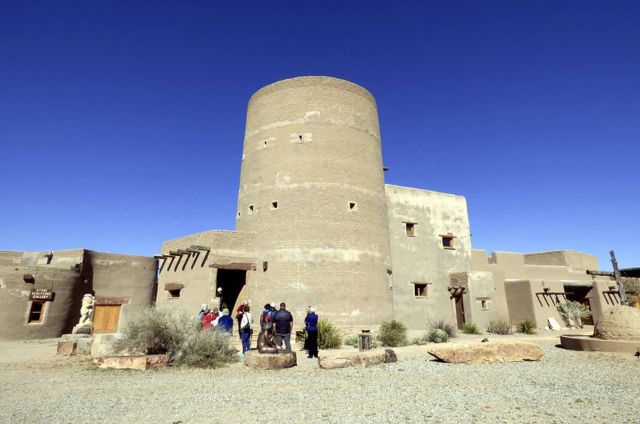
Both technical advancements AND human- and nature-centred solutions of culture & heritage are needed.

by Matti Kuittinen (Aalto University & the Nordic authority group working for climate declarations for buildings 2020-2023)
By Alexander Passer, Thomas Lützkendorf, Rolf Frischknecht (representing IEA EBC Annex 89)
Latest Commentaries
Who is Responsible for Climate Change?
Ian Cooper (Eclipse Research) explores the questions of responsibility raised in the recent Buildings & Cities special issue ‘Climate Change Risk and Decision-Making’. Focusing here on carbon emissions and mitigation, global responses will require grounding in what can work locally. New responsibilities arise for the wide range of built environment decision-makers: clients, professionals and their institutions, central and local governments, product suppliers, financiers, insurers, etc. A framework is needed to manage the complexity of responsibilities especially for variety of actors, the time frames and spatial scales.
Professional Ethics in a Climate Crisis
The climate crisis has progressed into a dangerous phase with tragic consequences often counted in numbers of excess deaths, but also by powerful economic impacts of rising food prices, the increased costs of insurance and lending, costly damage to the built environment. Celia Davies, Director of Impact at the UK’s Town and Country Planning Association (TCPA) and Hugh Ellis, Director of Policy at TCPA, consider the responsibilities of professionals in shaping a built environment which is fit not just for today's climate risks but for the dramatic increase in severe and unpredictable weather which is now locked into our climate systems.