
www.buildingsandcities.org/about/maria-christina-georgiadou.html
Dr Maria Christina Georgiadou
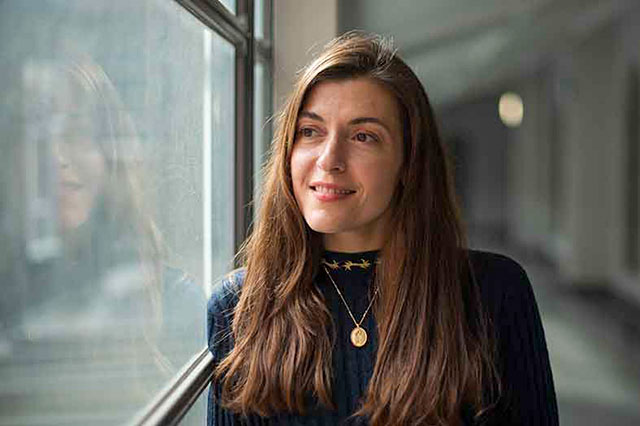
Dr Maria Christina Georgiadou Georgiadou is Head of Surveying and Real Estate at the School of the Built Environment, London Metropolitan University, UK. Her research focuses on co-designing solutions for complex building and infrastructure projects, integrating community, industry, and government perspectives to deliver net-zero, climate-resilient interventions that generate social value.
Her work also includes translating evidence into practical outcomes for practitioners and policymakers. Christina leads curriculum design and higher education initiatives, working with professional bodies and employers to close skills gaps.
Latest Commentaries
Who is Responsible for Climate Change?
Ian Cooper (Eclipse Research) explores the questions of responsibility raised in the recent Buildings & Cities special issue ‘Climate Change Risk and Decision-Making’. Focusing here on carbon emissions and mitigation, global responses will require grounding in what can work locally. New responsibilities arise for the wide range of built environment decision-makers: clients, professionals and their institutions, central and local governments, product suppliers, financiers, insurers, etc. A framework is needed to manage the complexity of responsibilities especially for variety of actors, the time frames and spatial scales.
Professional Ethics in a Climate Crisis
The climate crisis has progressed into a dangerous phase with tragic consequences often counted in numbers of excess deaths, but also by powerful economic impacts of rising food prices, the increased costs of insurance and lending, costly damage to the built environment. Celia Davies, Director of Impact at the UK’s Town and Country Planning Association (TCPA) and Hugh Ellis, Director of Policy at TCPA, consider the responsibilities of professionals in shaping a built environment which is fit not just for today's climate risks but for the dramatic increase in severe and unpredictable weather which is now locked into our climate systems.